

Oil & Gas Software in 2026: Automating Compliance Without Slowing Down Operations

Oil and gas operators have always lived with two competing pressures: keep the field running, and keep the paperwork clean. In 2026, both sides of that equation have gotten heavier. Emissions reporting is more granular, safety audits are more frequent, and cross-border trading rules change faster than most internal systems can track. At the same time, no operator can afford to slow down a rig, a pipeline, or a trading desk just to satisfy a compliance checklist.
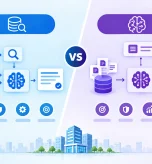
The companies pulling ahead this year are not the ones treating compliance as a separate department bolted onto operations. They are the ones building software where compliance happens automatically, inside the same systems that run the business.
Why Compliance Got Harder, Not Easier
A few forces are converging at once:
- Tighter emissions and ESG disclosure rules across most major producing regions, with shorter reporting windows and stricter audit trails.
- More complex multi-jurisdiction trading, where a single transaction can touch different regulatory regimes for finance, customs, and environmental reporting.
- Aging field infrastructure generating data in formats that were never designed to feed a modern compliance engine.
- Rising cybersecurity expectations for critical infrastructure, since regulators increasingly treat data integrity as part of compliance, not a separate IT concern.
None of this is solved by hiring more compliance staff. It is solved by software that captures, validates, and reports data as a byproduct of normal operations, rather than a separate exercise someone runs at the end of the month.
The Old Trade-Off: Compliant or Fast, Rarely Both
Most legacy oil and gas systems force a choice. Field teams log readings manually or in disconnected tools. Someone reconciles that data against compliance templates weeks later. Finance and trading systems sit in a different stack entirely, so cross-checking a transaction against environmental or safety obligations means pulling reports from three places and hoping the timestamps line up.
That model does not just create audit risk. It slows everything down, because every new regulation means another manual process layered on top of the last one.
What “Automated Compliance” Actually Means on the Ground
Done well, automated compliance is not a separate module. It is built into the architecture of the software your teams already use every day.
Real-time data capture across the field
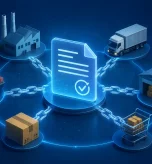
Sensors, SCADA systems, and IoT devices feed readings directly into a central platform as events happen, not at the end of a shift. This is the same principle behind the IoT and blockchain patterns reshaping supply chain trust — verifiable, tamper-resistant data trails that hold up under audit.
Reporting that builds itself
Instead of compliance teams assembling reports from raw logs, AI-driven analytics continuously structure incoming data against the relevant regulatory framework, flagging anomalies before they become violations. This is the same discipline behind turning enterprise data into a decision-making asset rather than a static record.
Workflow automation instead of paperwork chases
Permit renewals, safety inspections, and incident reporting get routed and tracked automatically, with built-in escalation if something stalls. This is core to what digital transformation and AI enablement looks like when applied to a heavily regulated industry.
Fleet, trading, and finance, kept in sync
Oil and gas operators run fleets and trading desks with the same intensity as a logistics company. The lessons from building a more cost-efficient fleet ecosystem with real-time intelligence apply directly: route, asset, and transaction data flowing through one system, instead of three disconnected ones, so compliance checks happen in real time rather than after the fact.
Built to withstand tomorrow’s threats, not just today’s audit
Critical infrastructure software has to be resilient for the long term. Preparing software for emerging security threats matters now, not later — a principle that applies directly to systems holding decades of regulatory and operational data. Learn more about our approach to secure enterprise automation with IoT and blockchain.
Why Off-the-Shelf Platforms Keep Falling Short
Generic enterprise software was not built around upstream, midstream, or downstream workflows, and retrofitting it rarely closes the gap. Oil and gas is one of the clearest examples: the regulatory and operational requirements are specific enough that a one-size-fits-all platform usually means more manual workarounds, not fewer.
That is why most operators making real progress in 2026 are investing in AI-focused custom enterprise software built around how their operations and compliance obligations actually work, rather than adapting their processes to fit someone else’s template.
What Getting This Right Looks Like
In practice, an operator running this kind of system sees compliance shift from a recurring fire drill to a background process. Field data is captured once and reused everywhere it is needed. Reports that used to take days are generated continuously. Trading and fleet decisions get made with compliance status visible in real time, not discovered after the fact during an audit.
None of this requires slowing operations down to be safe. It requires building the safety and the speed into the same system from the start.
Explore More on Oil & Gas Operations and Enterprise Automation
If you are researching this further, these resources go deeper into the specific pieces covered above:
- Smart IoT & blockchain solutions for enterprise automation — the technical foundation for real-time field data capture and traceability
- Fleet management software development — relevant for operators managing fleet, route, and trading operations alongside compliance
- Rayblaze oil & gas brochure (PDF) — a closer look at how we approach compliance, fleet, and finance automation for the sector
- Case studies — real examples of how custom software has solved operational challenges across industries
- More insights on the Rayblaze blog — ongoing coverage of AI, automation, and enterprise software trends
Ready to Automate Compliance Without Slowing Your Operations Down?
If audits, emissions reporting, or trading compliance are still running on spreadsheets and manual handoffs, it is worth a conversation. Talk to the Rayblaze team about building oil and gas software that keeps your operations moving and your compliance airtight, or visit rayblaze.com to see how we approach AI-focused enterprise software across regulated industries.