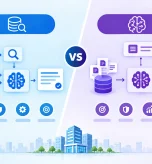


The Hidden Cost of Generic B2B Software

On paper, generic B2B software looks like the safer, cheaper choice. It’s ready to deploy, comes with a familiar interface, and doesn’t require months of development. But for many growing businesses, that low upfront price tag hides a much larger bill down the line. The Hidden Cost of Generic B2B Software shows up gradually — in licensing fees that scale with your headcount, in workflows bent to fit someone else’s product roadmap, and in integrations that never quite work the way your team needs them to.
This post breaks down where those hidden costs actually come from, how Off-the-Shelf B2B Software quietly limits growth, and when it makes sense to invest in Custom B2B Software instead.
Talk to Our Software Consultants →
Why Generic B2B Software Feels Like the Safe Choice
It’s easy to see the appeal. Generic B2B Software is built to serve thousands of companies at once, so vendors can offer lower entry prices, faster onboarding, and a large library of tutorials and support documentation. For early-stage teams with simple, standardized processes, this can genuinely be the right call.
The trouble starts when your business grows past what the software was designed for — more users, more edge cases, more integrations with other systems, and more pressure to differentiate from competitors who are using the exact same tool.
Where the Hidden Costs Actually Come From
1. Per-Seat and Tiered Licensing That Scales Against You
Most off-the-shelf platforms charge per user, per module, or per feature tier. What starts as an affordable monthly fee can multiply quickly as your team grows or as you’re forced to upgrade to a higher plan just to unlock one feature you actually need.
2. Workarounds and Manual Processes
Generic tools are built for the average customer, not your specific workflow. Teams often end up exporting data to spreadsheets, duplicating entries across systems, or building manual workarounds just to get the software to do what their business actually requires — all of which quietly eats into productivity.
3. Integration Limitations
Off-the-shelf platforms typically offer a fixed set of integrations. If your business relies on a specific ERP, a legacy internal tool, or industry-specific systems, you may find yourself paying third-party integration platforms or hiring developers just to connect the dots — costs that rarely show up in the original sales pitch.
4. Data You Don’t Fully Own or Control
With generic platforms, your business data lives inside someone else’s infrastructure, under someone else’s terms. Migrating away later, if the vendor changes pricing or discontinues a feature you depend on, can be a costly and disruptive project in itself.
5. Security and Compliance Gaps
Generic tools are built for the broadest possible audience, which means they often fall short of industry-specific compliance requirements — healthcare, finance, and logistics businesses in particular tend to feel this gap. Retrofitting compliance onto a platform that wasn’t designed for it is expensive and, in some cases, simply not possible.
6. Lost Competitive Advantage
If your competitors are using the same off-the-shelf platform, your customer experience, operational speed, and reporting capabilities look a lot like theirs. Software that was meant to save time can end up capping how differentiated your business can actually be.
Custom vs Generic B2B Software: A Practical Comparison
| Factor | Off-the-Shelf B2B Software | Custom B2B Software |
|---|---|---|
| Initial Cost | Lower upfront | Higher upfront investment |
| Long-Term Cost | Rises with seats, tiers, and add-ons | Predictable, tied to your own roadmap |
| Workflow Fit | You adapt to the software | Software is built around your process |
| Integrations | Limited to vendor’s ecosystem | Built to connect with your existing systems |
| Scalability | Constrained by vendor’s plans | Scales alongside your business |
| Data Ownership | Vendor-controlled | Fully owned by your business |
| Competitive Edge | Shared with every other customer | Unique to your business |
This is the core of the Custom vs Generic B2B Software decision — it isn’t just about price, it’s about whether the software works for your business model or forces your business model to work around the software.
When Custom B2B Software Actually Makes Sense
Custom development isn’t the right call for every business at every stage. It tends to pay off when:
- Your processes are complex enough that generic tools require constant workarounds
- You need deep integration with existing enterprise systems or legacy infrastructure
- Compliance, security, or data ownership requirements are non-negotiable
- You’re scaling fast and licensing costs are becoming unpredictable
- Your workflow itself is a competitive advantage worth protecting
At Rayblaze, our enterprise application development services are built specifically to solve this problem — designing scalable, secure systems around how your business actually operates, rather than forcing you into someone else’s template. For businesses further along in modernizing their operations, our digital transformation and AI implementation services help integrate custom systems with automation and data-driven decision-making from day one.
We’ve seen this play out across industries — from streamlining fleet and delivery operations for transportation and logistics businesses, to building scalable digital storefronts for retail and e-commerce companies that had outgrown their off-the-shelf platforms. You can see how these engagements played out in our case studies.
Making the Right Call for Your Business
The goal isn’t to say generic software is always wrong. It’s to make sure you’re evaluating the total cost of ownership — not just the sticker price. A platform that seems affordable today can become the most expensive tool in your stack once you factor in lost productivity, integration workarounds, and the ceiling it puts on growth.
If you’re weighing B2B Software Solutions for your business and aren’t sure whether an off-the-shelf tool will still fit in two years, it’s worth getting an outside perspective before committing. Learn more about how we approach these engagements on our company overview page, or browse our blog for more insights on enterprise software strategy.
Ready to Stop Paying the Hidden Cost of Generic Software?
Rayblaze helps businesses move beyond the limitations of off-the-shelf tools with software built around how they actually work. Whether you need a full custom platform or a smarter integration strategy, our team can help you map out the right path forward.